
How to Transport a Skid Steer Safely with a Deckover Trailer Rental
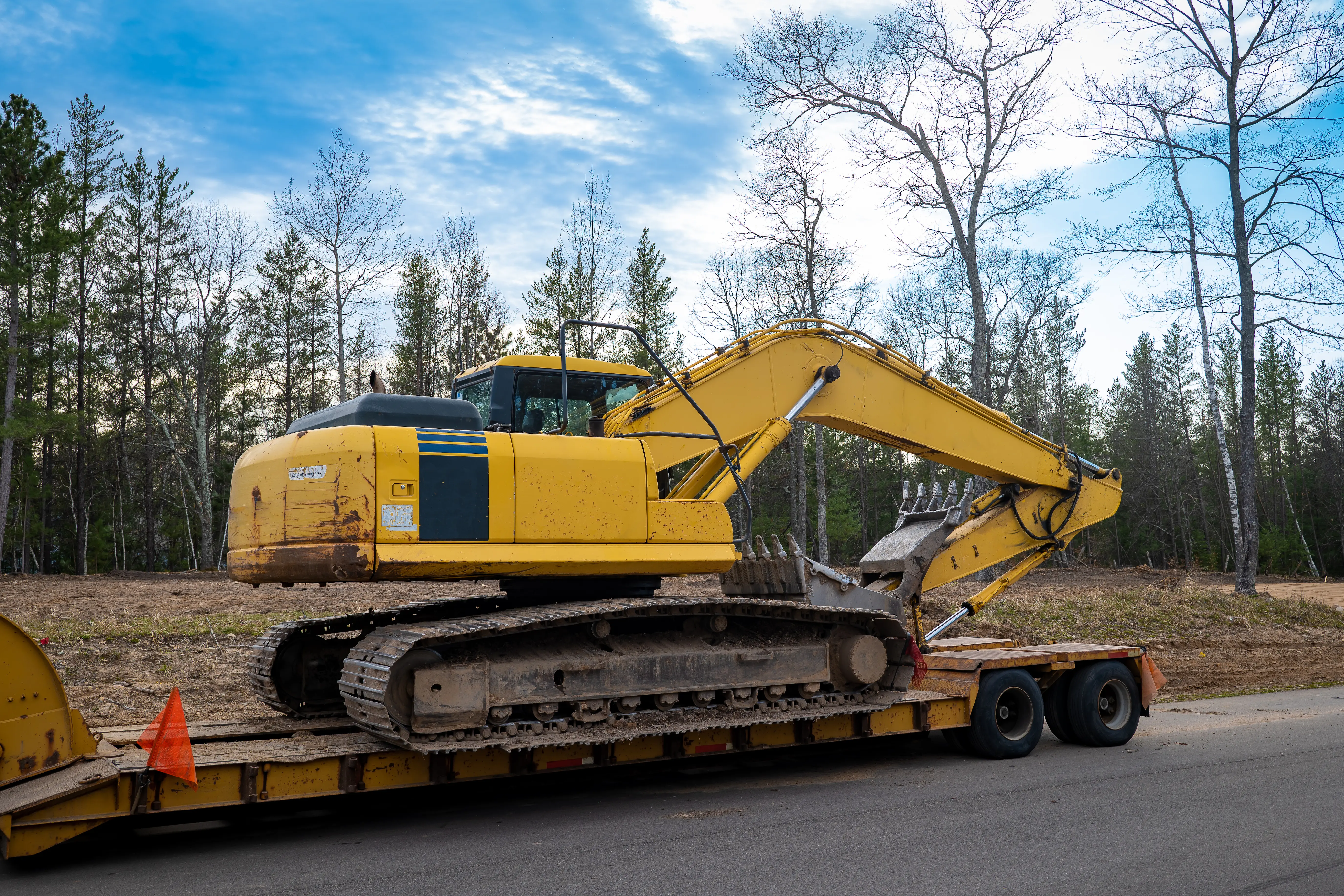
Skid steers are some of the most versatile machines used on construction sites, landscaping projects, and property improvement jobs. From grading soil and moving gravel to clearing land and preparing foundations, these compact machines handle tasks that would otherwise require hours of manual labor.
However, getting a skid steer from one job site to another requires more than a pickup truck and a set of ramps. These machines are heavy, and transporting them safely requires a properly rated trailer, suitable loading equipment, and a compatible tow vehicle.
That's why contractors often consider a deckover trailer rental for skid steer transport when moving equipment between projects.
Whether you're renting a skid steer for a weekend landscaping project or transporting machinery between construction sites, understanding how to select and use the right trailer can help prevent delays, equipment damage, and unnecessary expenses.
Why Use a Deckover Trailer for Skid Steer Transport?
A deckover trailer has a loading deck positioned above its wheels rather than between them. This design provides a wider, uninterrupted deck surface, making it useful for transporting equipment and materials that require additional loading space.
For certain skid steer models, a deckover trailer may offer a practical hauling solution.
Some advantages include:
- A wider loading platform
- More flexibility when positioning equipment
- Space for certain attachments and accessories
- Versatility for other construction materials
- Convenient transportation between job sites
However, not every deckover trailer is suitable for every skid steer. Trailer capacity, loading height, ramp specifications, and equipment dimensions must all be considered before renting.
Know Your Skid Steer's Weight and Dimensions
Before reserving a deckover trailer rental, start by checking your skid steer's specifications.
Two machines that look similar may have very different operating weights and dimensions.
Operating Weight
Find the manufacturer's listed operating weight for your specific skid steer model.
Remember that additional attachments, fuel, and other equipment can increase the total weight being transported.
The combined cargo weight must remain within the trailer's rated payload capacity.
Overall Width
Measure the skid steer's width, including its tires or tracks.
Some machines have wider configurations that require additional deck space.
Overall Height
Check the machine's height, particularly if it has an enclosed cab or specialized attachments.
You'll need to consider the combined height of the loaded trailer and equipment when traveling beneath bridges or other overhead structures.
Attachment Size
Buckets, pallet forks, augers, and other attachments can affect how equipment is positioned and secured.
Make sure there's enough room for everything you plan to transport.
Check the Trailer's Loading Equipment
One of the most important considerations when transporting a skid steer is how the machine will get onto the trailer.
Because deckover trailers sit above the wheels, their loading decks are generally higher than those of many between-the-wheels equipment trailers.
This can create a steeper loading angle.
Before renting, confirm that the trailer has loading ramps or another suitable loading system rated for your machine.
Also consider:
- Ramp length and angle
- Ramp weight capacity
- Deck traction
- Ground clearance
- Equipment approach angle
- Available loading space
Never assume a trailer is suitable simply because the skid steer fits on its deck.
If the loading arrangement isn't appropriate for your machine, a lower-deck equipment trailer may be the safer choice.
Preparing Your Skid Steer for Transportation
Proper preparation helps protect your equipment and reduces problems during loading.
Inspect the Machine
Check the skid steer for visible damage, fluid leaks, loose components, and mechanical issues.
Make sure the machine is operating correctly before attempting to load it.
Secure Loose Attachments
Remove or secure accessories according to the equipment manufacturer's instructions.
Attachments should never be left in positions where they could shift during transportation.
Clear the Loading Area
Choose a firm, level surface whenever possible.
Keep bystanders away from the loading area and make sure the trailer is properly connected and stabilized.
Review the Operator's Manual
Different skid steer models may have specific loading and transportation requirements.
Follow the manufacturer's instructions rather than relying on a general loading method.
How to Load a Skid Steer onto a Trailer
Loading heavy equipment requires careful attention, particularly when using a trailer with an elevated deck.
Start by ensuring that the trailer is correctly hitched to the tow vehicle and that the loading ramps are properly positioned.
The operator should approach the ramps slowly and follow the skid steer manufacturer's recommended loading direction and procedure.
Avoid sudden acceleration, sharp steering movements, or unnecessary stops while traveling on the ramps.
Once the skid steer reaches the trailer deck, position it according to the trailer's loading guidance to maintain proper weight distribution.
Lower attachments as instructed, shut down the machine, and engage the appropriate parking and safety systems.
If you're unfamiliar with loading heavy equipment, seek assistance from a qualified operator rather than attempting the process without training.
Securing a Skid Steer for Transport
A skid steer must be properly restrained before traveling.
Heavy equipment can shift during braking, turning, or sudden changes in road conditions if it isn't secured correctly.
Use appropriately rated chains, binders, or other approved tie-down equipment.
Attach restraints only to designated securement points on the machine and trailer.
Important considerations include:
- Using the required number of tie-downs
- Confirming the working load limits of securement equipment
- Securing attachments separately when required
- Preventing movement in all directions
- Checking restraints before departure
Applicable cargo securement regulations may establish additional requirements based on equipment weight and how the trailer is being used.
Inspect the load again after beginning your trip and at appropriate intervals.
Make Sure Your Tow Vehicle Can Handle the Load
A properly rated trailer is only one part of a safe towing setup.
Your tow vehicle must also be capable of handling the combined weight of the trailer, skid steer, attachments, and other cargo.
Before booking a deckover trailer rental for equipment transport, verify your vehicle's towing capacity and the ratings of the hitch, tires, axles, and braking system.
Also confirm whether the trailer requires a compatible brake controller or specific electrical connections.
Never rely on engine size or vehicle appearance to determine towing capability.
The manufacturer's ratings should guide your decision.
When Does Renting Make More Sense Than Buying?
Contractors don't always need to transport heavy equipment every day.
Some businesses only move skid steers when starting or finishing particular projects.
Others may need additional hauling capacity during busy periods.
Renting a deckover trailer can help avoid the long-term expenses associated with ownership, including maintenance, registration, repairs, and storage.
It also provides flexibility when your equipment transportation needs change.
For contractors working on landscaping, grading, excavation, and property improvement projects, renting can be a practical option when the available trailer meets the machine's requirements.
Keep Your Equipment Moving Between Job Sites
Transporting a skid steer involves more than finding enough room on a trailer. Proper weight ratings, suitable loading ramps, correct securement, and a compatible tow vehicle all play important roles in a successful trip.
Taking time to confirm these details before renting can help protect your machinery and keep your project on schedule.
Whether you're transporting a skid steer for a backyard renovation or moving equipment between commercial job sites, choosing the right trailer makes the hauling process more manageable.

Need to transport construction machinery or equipment for your next project? Haul-N Trailer Rental offers deckover trailer rentals for contractors, landscapers, and property owners throughout the Dallas–Fort Worth area. Explore the available trailer options, confirm the weight capacity and loading requirements for your equipment, and reserve a trailer that fits your hauling needs.