
How to Rent a Dump Trailer for Roofing Debris and Shingle Removal
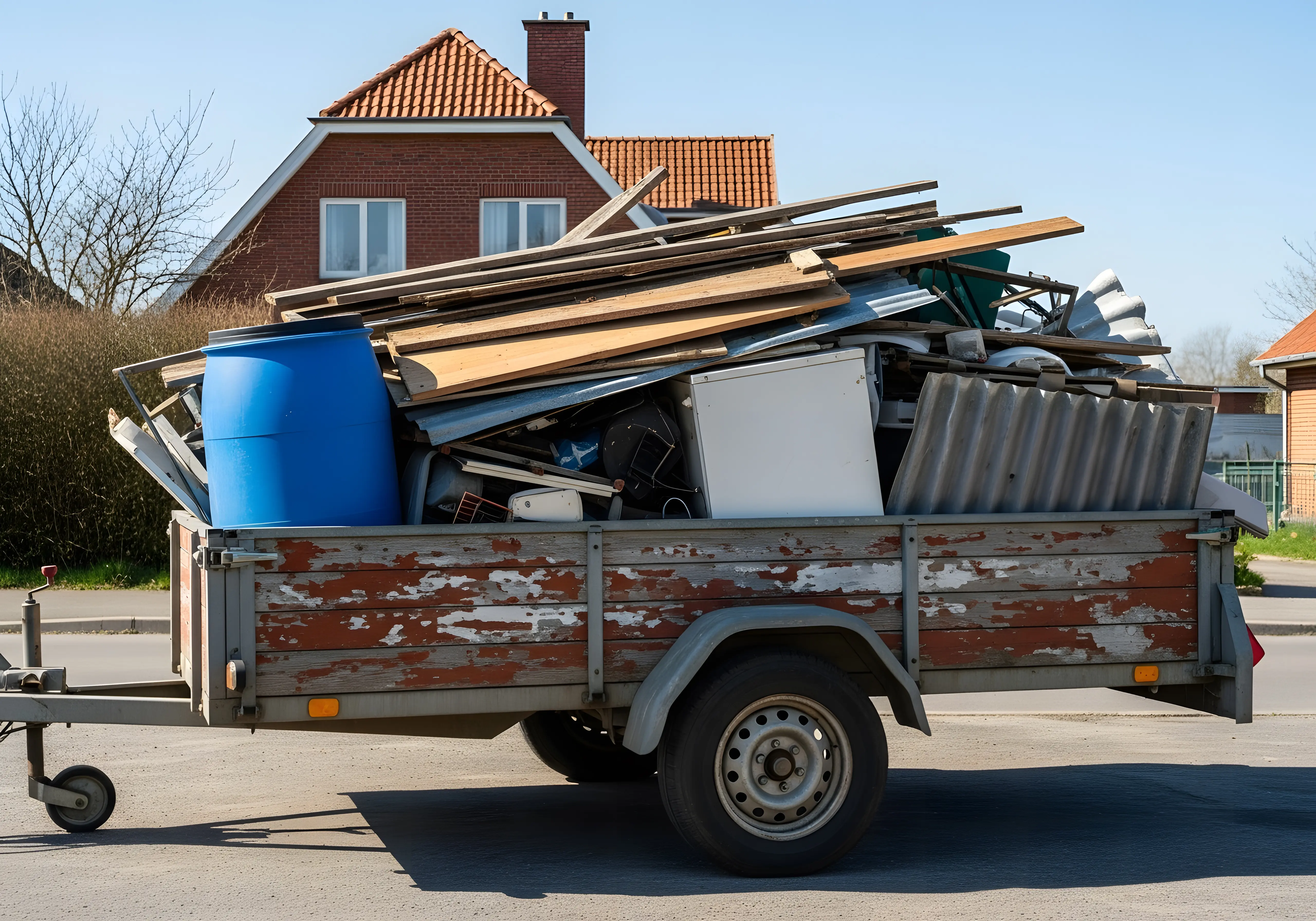
Replacing an old roof is a major home improvement project, and removing the existing roofing materials is one of the messiest parts of the job. From torn-off asphalt shingles to damaged underlayment and wood decking, roofing projects can generate a surprising amount of heavy debris in a short period.
Without a proper disposal plan, piles of roofing materials can quickly take over your driveway, yard, or work area. That's why a dump trailer rental for roofing debris removal can be a practical solution for homeowners and roofing contractors.
A dump trailer provides a designated place to collect debris during the project and makes transporting waste to an approved disposal facility more manageable. Whether you're replacing a small section of your roof or preparing for a complete tear-off, understanding how to use a dump trailer can help keep the cleanup process organized.
Why Roofing Projects Generate So Much Debris
Many homeowners focus on choosing new shingles, comparing roofing materials, and scheduling installation. However, removing the old roof is just as important.
Depending on the roof's size, age, and condition, a replacement project may produce several types of waste.
Common roofing debris includes:
- Asphalt shingles
- Roofing felt and underlayment
- Damaged plywood or decking
- Roofing nails and fasteners
- Metal flashing
- Old vents and roofing accessories
- Packaging from new materials
Even relatively small roofing projects can produce heavy loads. Asphalt shingles are particularly dense, meaning a trailer can reach its weight limit before it appears full.
Having a suitable dump trailer rental available during the project helps prevent debris from accumulating around the property.
Benefits of Renting a Dump Trailer for Roof Replacement
A dump trailer offers several advantages when handling roofing waste.
Easier Debris Collection
Instead of creating large piles of shingles around the property, workers can collect roofing debris in a designated trailer.
This helps keep the work area more organized and reduces the amount of material that must be handled repeatedly.
More Efficient Unloading
One of the biggest advantages of a dump trailer is its hydraulic dumping system.
Once you reach an approved disposal facility, the trailer's dumping mechanism can make unloading loose roofing debris easier than removing everything by hand.
Always follow the trailer's operating instructions and the disposal facility's unloading requirements.
Flexible Rental Periods
Some roofing projects take a single day, while larger replacements may require several days.
With daily, weekly, and monthly rental options, homeowners and contractors can choose a rental period that matches their project timeline.
No Long-Term Ownership Costs
If you only need a dump trailer occasionally, purchasing one may not be practical.
Renting eliminates the need to manage long-term storage, routine maintenance, and ownership-related expenses.
How to Choose the Right Dump Trailer for Roofing Debris
Before reserving a dump trailer rental for roofing debris, it's important to understand how much material your project will generate.
The right trailer depends on several factors.
Roof Size
A larger roof generally produces more debris, particularly when multiple layers of shingles need to be removed.
Knowing the approximate roof area can help you estimate the volume of waste.
Roofing Material
Different roofing materials have different weights.
Asphalt shingles, wood shingles, metal roofing, and tile roofing require different disposal considerations.
Number of Existing Layers
Some older roofs have multiple layers of shingles. Removing these layers can substantially increase the total weight of the debris.
Trailer Weight Capacity
Never choose a dump trailer based on its dimensions alone.
Check the trailer's rated payload capacity and the expected weight of the roofing materials. Heavy shingles can exceed safe loading limits even when the trailer is only partially filled.
If you're unsure how much debris your project will produce, discuss the estimated load with the rental provider before booking.
Where Should You Place a Dump Trailer During a Roofing Project?
Trailer placement can affect both safety and cleanup efficiency.
Ideally, the trailer should be positioned on a firm, level surface where workers can safely access it.
Driveways are commonly used for roofing projects, but there are several things to consider before parking a loaded dump trailer.
Driveway protection: Heavy equipment and debris can place considerable pressure on paved surfaces. Confirm that the surface can safely support the trailer and load.
Overhead clearance: Watch for power lines, tree branches, and roof overhangs that could interfere with loading or dumping operations.
Property access: Make sure the trailer doesn't block necessary entrances, emergency access, or other work vehicles.
Local regulations: Some neighborhoods and municipalities have restrictions on trailer parking, especially along public streets.
Planning the location before delivery or pickup can prevent unnecessary delays once roofing work begins.
Tips for Loading Roofing Debris Safely
Proper loading is essential when using a dump trailer for roof replacement cleanup.
Start by distributing debris evenly across the trailer bed rather than piling everything in one area.
Avoid throwing heavy materials into a single corner, as uneven loading can affect towing stability and potentially damage the trailer.
Keep these additional tips in mind:
- Never exceed the trailer's rated payload.
- Keep debris within the trailer's designated loading limits.
- Secure the load as required before traveling.
- Collect loose nails and sharp materials carefully.
- Wear appropriate gloves, footwear, and protective equipment.
- Keep people away from the trailer during dumping operations.
Roofing debris often contains sharp nails, flashing, and broken materials. Taking time to handle these items properly helps reduce the risk of injuries and tire damage.
Where Can You Dispose of Old Roofing Shingles?
Not every landfill or waste facility accepts roofing debris.
Before starting your project, contact an approved local disposal facility to confirm its policies.
Ask whether the facility accepts asphalt shingles, mixed construction debris, and other roofing materials.
You should also confirm disposal fees, operating hours, and any requirements for separating materials.
Some areas offer asphalt shingle recycling through specialized facilities, although availability varies by location.
Remember that trailer rental fees and disposal charges are separate expenses unless your rental agreement specifically states otherwise.
Dump Trailer Rental vs. Leaving Debris on the Ground
Allowing roofing debris to accumulate on the driveway or lawn may seem convenient during demolition, but it often creates additional cleanup work.
Loose shingles, nails, and damaged materials can spread across the property, especially during windy conditions.
A dump trailer provides a central collection point, helping contractors maintain a more organized work area.
It can also simplify the final cleanup because much of the debris is already contained and ready for transport.
However, a dump trailer doesn't replace the need for a thorough magnetic nail sweep and final property inspection after the roofing work is completed.
Plan Your Roofing Cleanup Before the Project Begins
Roof replacement involves more than installing new shingles. Proper debris management is an important part of protecting your property and keeping the project moving efficiently.
By estimating the amount of roofing waste, choosing a trailer with the correct capacity, and identifying an approved disposal facility, you can avoid many common cleanup problems.
Whether you're a roofing contractor managing several projects or a homeowner preparing for a renovation, a dump trailer rental for roofing debris removal can make collecting and transporting waste more convenient.

Preparing for a roof replacement or managing roofing projects in the Dallas–Fort Worth area? Haul-N Trailer Rental offers dependable dump trailer rentals to help homeowners and contractors handle roofing debris, construction waste, and cleanup projects. Explore the available rental options, confirm the trailer capacity for your materials, and reserve a dump trailer that fits your project schedule.