What Size Trailer Do I Need? A Complete Guide for Renters

December 18, 2023

Why Choosing the Right Trailer Size Matters

If you’re searching “what size trailer do I need”, you’re likely planning a move, cleanup, renovation, or transport job and want to avoid mistakes. Choosing the wrong trailer size often leads to extra trips, wasted time, or unsafe towing conditions.

This guide helps you select the right trailer size for your project, not just guess.

Step 1: Identify What You’re Hauling

Trailer size depends heavily on the type of load.

Common Load Types

  • Furniture and household items
  • Construction or renovation debris
  • Landscaping materials
  • Equipment or machinery
  • Vehicles

Each load type has different space and weight needs.

Enclosed Trailer Size Guide

Enclosed trailers are best for protected cargo.

Small Enclosed Trailers

Best for:

  • Small apartment moves
  • Boxes and light furniture
  • Tools and supplies

Medium Enclosed Trailers

Best for:

  • One- to two-bedroom moves
  • Appliances and furniture
  • Contractor tools

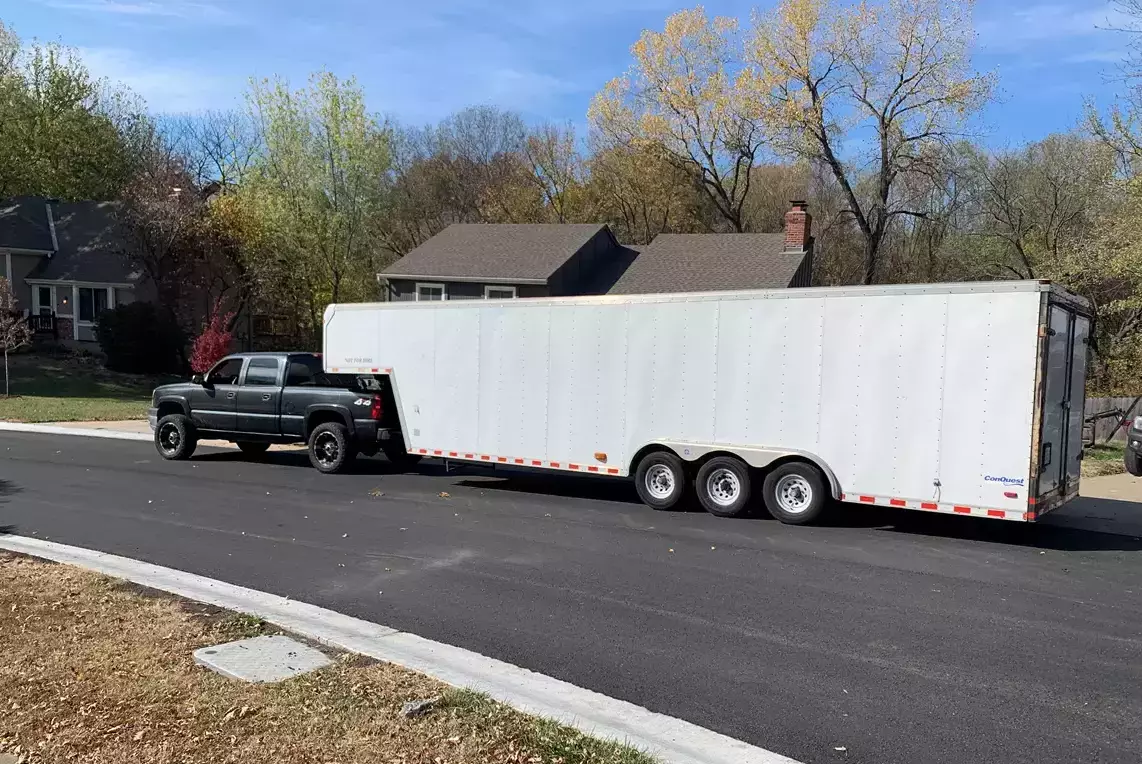
Large Enclosed Trailers

Best for:

  • Full home moves
  • Bulk inventory
  • Multi-room cleanouts

Choosing larger often reduces trips and rental time.

Dump Trailer Size Guide

Dump trailers handle heavy, loose materials.

Small Dump Trailers

Best for:

  • Yard debris
  • Small remodel projects
  • Light cleanups

Medium Dump Trailers

Best for:

  • Home renovations
  • Roofing debris
  • Landscaping projects

Large Dump Trailers

Best for:

  • Major demolition
  • Large property cleanouts
  • Heavy debris loads

Always account for weight, not just volume.

Deckover Trailer Size Guide

Deckover trailers are ideal for oversized loads.

Small Deckover Trailers

Best for:

  • Lawn equipment
  • Small machinery
  • Palletized materials

Large Deckover Trailers

Best for:

  • Skid steers and tractors
  • Oversized equipment
  • Bulk construction materials

Full-width decks allow flexible loading.

Car Hauler Trailer Size Guide

Car haulers are built for vehicles.

Standard Car Haulers

Best for:

  • Cars and sedans
  • Light trucks
  • Non-running vehicles

Always confirm vehicle weight and dimensions before renting.

Step 2: Consider How Many Trips You Want to Make

Trailer size affects rental length.

Fewer Trips = Bigger Trailer

  • Larger trailer
  • Shorter rental
  • Less fuel and stress

More Trips = Smaller Trailer

  • Smaller trailer
  • Longer rental
  • More loading and unloading

Often, going one size up saves money overall.

Step 3: Match Trailer Size With Rental Time

Size and time go together.

Daily Rentals

Best when:

  • Load fits in one trip
  • Job is clearly defined

Weekly Rentals

Best when:

  • Multiple trips are needed
  • Project timing is flexible

Choosing the right combination prevents rushing.

Common Trailer Size Mistakes

Avoid these frequent issues:

  • Choosing the smallest option to save money
  • Ignoring weight limits
  • Underestimating debris volume
  • Forgetting space for tie-downs

These mistakes often lead to delays or added costs.

When to Size Up

You should consider a larger trailer if:

  • Items are bulky or awkward
  • You want fewer trips
  • You’re unsure about volume
  • You want flexibility

Extra space almost always helps.

How to Choose With Confidence

If you’re unsure, follow this rule:

Choose one size larger than you think you need.

It improves safety, efficiency, and peace of mind.

The Right Size Makes All the Difference

Knowing what size trailer you need helps you avoid wasted time, unnecessary trips, and unsafe hauling. The right trailer size allows you to work efficiently, safely, and on schedule.

Good planning starts with choosing the right equipment.

Not sure which trailer size fits your project?
Check availability and reserve the trailer that gives you the space and flexibility you need.