How to Estimate Trailer Size and Rental Time Together (Without Overpaying)

September 4, 2023

Why Size and Rental Time Go Hand in Hand

If you’re searching “how to estimate trailer size and rental time”, you’re already thinking smarter than most renters. One of the biggest mistakes people make is choosing trailer size and rental length separately—when they should be planned together.

The right trailer rental isn’t just about size. It’s about choosing a setup that lets you finish efficiently without rushing or paying for unnecessary time.

Step 1: Understand What You’re Hauling

Start by identifying the type of load.

Ask These Questions First

  • Am I hauling furniture, debris, or equipment?
  • Are items bulky, heavy, or awkward?
  • Will I need to make multiple stops?

This determines trailer type, which directly affects size and time needed.

Step 2: Choose Trailer Type Before Size

Trailer type narrows your options quickly.

Trailer Type Basics

  • Enclosed trailers → furniture, boxes, tools
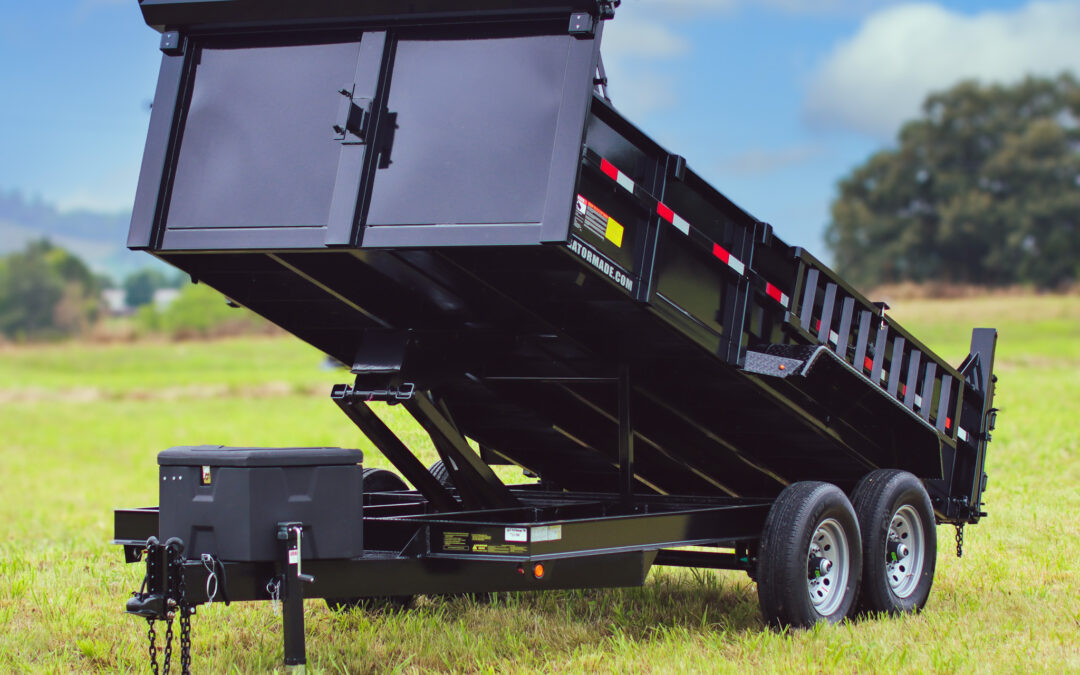
  • Dump trailers → debris, cleanouts, roofing waste
  • Deckover trailers → equipment, pallets, oversized items
  • Car haulers → vehicle transport

Once the trailer type is clear, size and rental time become easier to estimate.

Step 3: Estimate Trailer Size Based on Trips, Not Just Fit

Many renters ask, “Will it fit?”
A better question is: “Will it fit in one trip?”

Size Estimation Tips

  • Small loads = smaller trailer + shorter rental
  • Large loads = larger trailer + shorter rental
  • Tight trailer = longer rental due to multiple trips

Often, a slightly larger trailer rental reduces rental time and overall cost.

Step 4: Match Rental Time to Project Pace

Now factor in how fast—or slow—the project will move.

Daily Rentals Work Best When:

  • The job is clearly defined
  • You’re making one or two trips
  • Loading and unloading is fast

Weekly Rentals Work Best When:

  • You’re sorting items
  • Making multiple trips
  • Working around schedules or weather

Monthly Rentals Work Best When:

  • Projects are ongoing
  • Workload changes daily
  • You want consistent access

Choosing the right rental length prevents rushing and late fees.

Bigger Trailer + Shorter Time vs Smaller Trailer + Longer Time

This is where most renters save money.

Example Scenarios

  • Smaller trailer + extra days → more fuel, more stress
  • Larger trailer + fewer days → fewer trips, less fatigue

In many cases, upgrading trailer size allows you to downgrade rental time.

Common Estimation Mistakes to Avoid

Avoid these frequent issues:

  • Choosing the smallest trailer to save money
  • Booking daily rentals for multi-day jobs
  • Underestimating debris volume
  • Forgetting loading and unloading time

These mistakes usually cost more in the long run.

How Different Projects Affect Size and Time

Here’s a quick breakdown:

  • Moves → larger enclosed trailer + weekly rental
  • Estate cleanouts → dump trailer + multi-day rental
  • Renovations → dump trailer early, enclosed later
  • Equipment hauling → deckover + daily or weekly rental

Matching project type to trailer setup saves time and effort.

When to Give Yourself Extra Time

Extra time is worth it when:

  • You’re sorting or staging items
  • You’re coordinating multiple drop-offs
  • You want to work safely, not rushed

A longer rental with proper planning often feels easier—and ends sooner.

How to Estimate Confidently

If you’re unsure, follow this rule:

Choose one size up and one day longer than you think you need.

It reduces pressure, improves safety, and often prevents extensions.

Planning Smart Saves Money

Knowing how to estimate trailer size and rental time together helps you avoid rushing, reduce trips, and control costs. The right setup lets you work efficiently without overpaying—or running out of time.

Smart planning isn’t about guessing—it’s about choosing flexibility.

Not sure what size or rental length you need?
Check availability and reserve the trailer setup that fits your project best.